
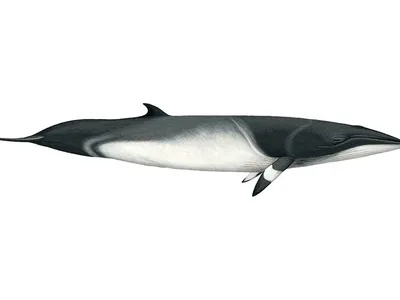
Balaenopteridae
Common Minke Whale
B. acutorostrata
Least ConcernThe order of fully aquatic mammals — whales, dolphins and porpoises — which returned to the sea from four-legged ancestors around 50 million years ago.
Cetacea is the mammalian order containing whales, dolphins and porpoises. Fossil and molecular evidence place it firmly inside Artiodactyla, the even-toed ungulates, with hippopotamuses as its closest living relatives — a grouping named Whippomorpha. The move from land to water is unusually well documented for so complete a transformation: a sequence of Eocene fossils from what is now Pakistan and India records a wolf-sized amphibious predator becoming an obligate swimmer over roughly fifteen million years.
Every living cetacean shares a suite of adaptations built on that history. The skull is telescoped so the nostrils sit on top of the head as a blowhole; the forelimbs are flippers with the finger bones still inside them; the hind limbs are gone, leaving a pair of unattached pelvic bones floating in muscle; and the tail ends in horizontal flukes that have no bony support at all. Blubber replaces fur for insulation, and countercurrent heat exchangers in the flippers and flukes let a warm-blooded animal live in near-freezing water.
Two suborders survive. Mysticeti feed by filtering prey through baleen; Odontoceti keep their teeth and hunt individual animals, navigating and finding them by echolocation. Around ninety living cetacean species are currently recognised. This atlas covers the ones conventionally called whales — all of the baleen whales, together with the sperm whales, beaked whales, beluga and narwhal — and leaves the oceanic dolphins, river dolphins and porpoises to a guide of their own.
B. acutorostrata
Least Concern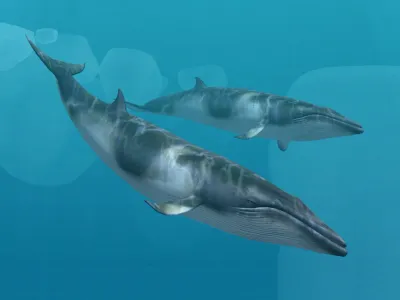
B. bonaerensis
Near Threatened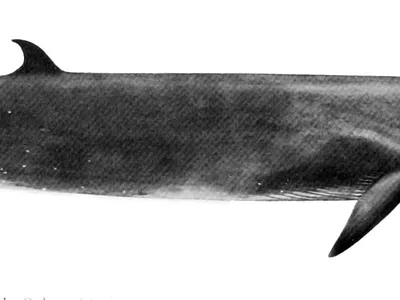
B. borealis
Endangered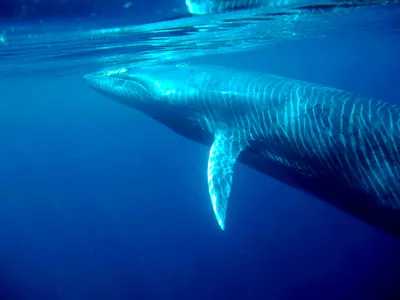
B. edeni
Data Deficient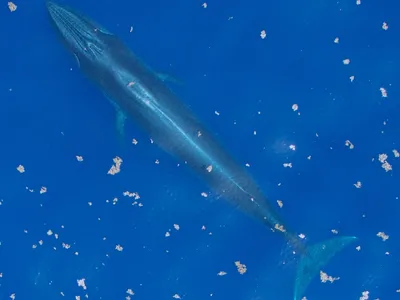
B. ricei
Critically Endangered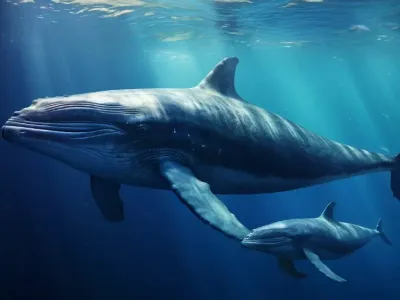
B. musculus
Endangered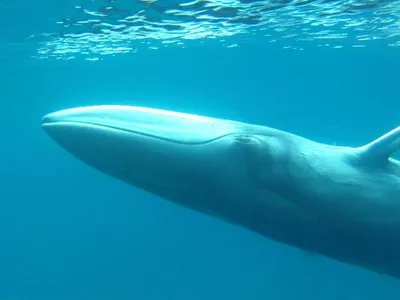
B. omurai
Data Deficient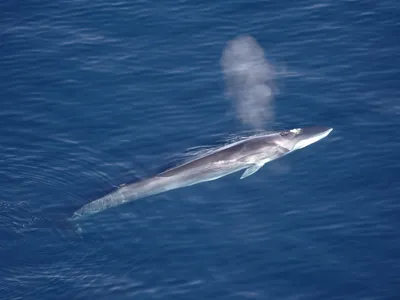
B. physalus
Vulnerable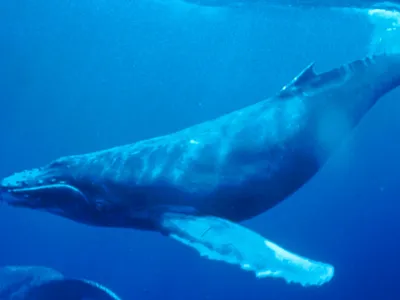
M. novaeangliae
Least Concern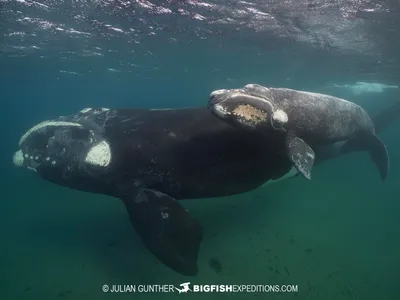
E. australis
Least Concern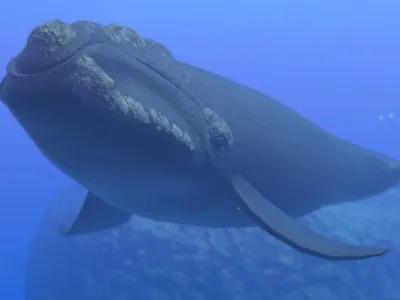
E. japonica
Endangered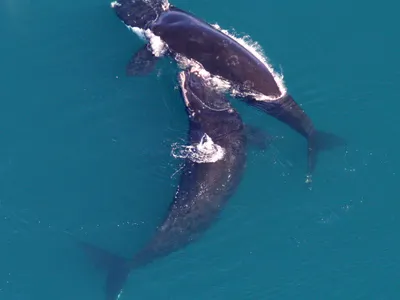
E. glacialis
Critically Endangered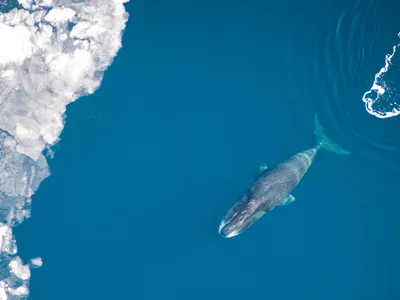
B. mysticetus
Least Concern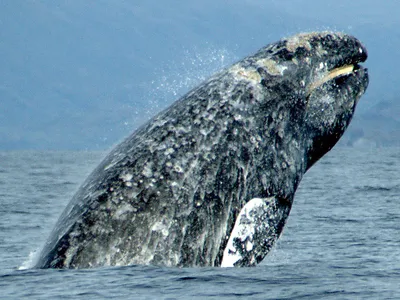
E. robustus
Least Concern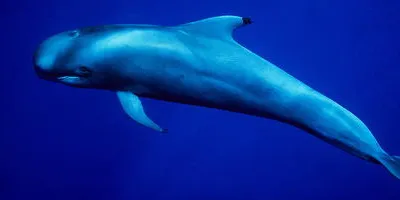
C. marginata
Data Deficient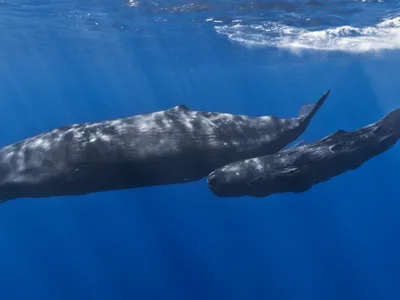
P. macrocephalus
Vulnerable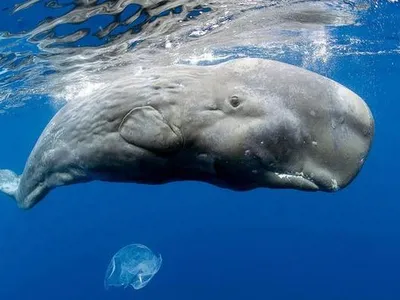
K. breviceps
Data Deficient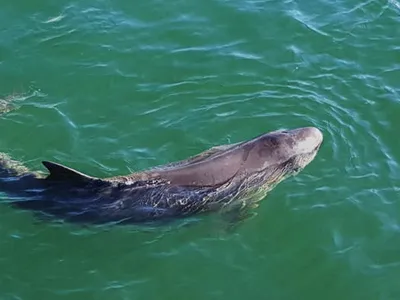
K. sima
Data Deficient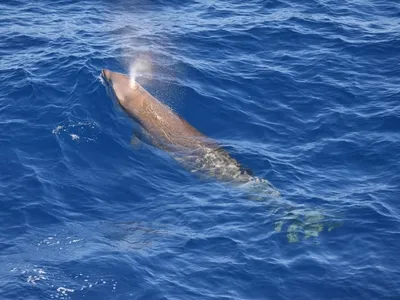
Z. cavirostris
Least Concern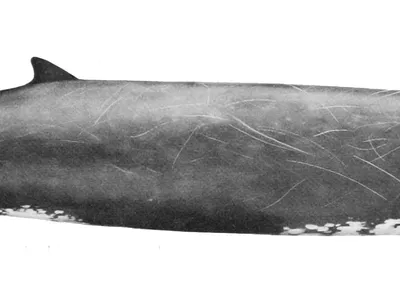
B. bairdii
Least Concern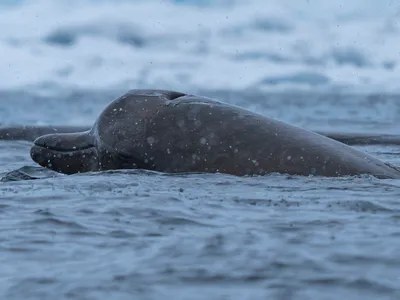
B. arnuxii
Least Concern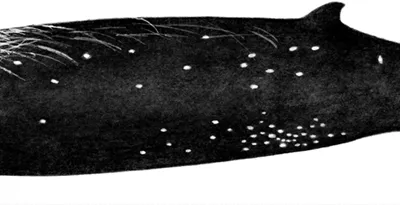
B. minimus
Near Threatened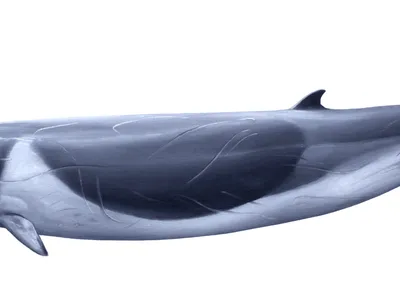
T. shepherdi
Data Deficient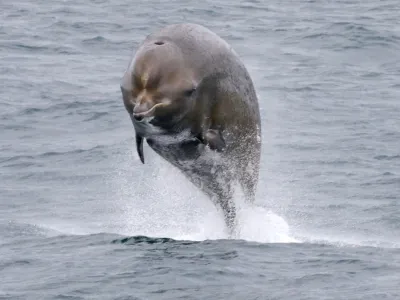
H. ampullatus
Near Threatened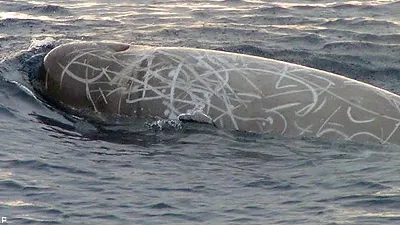
H. planifrons
Least Concern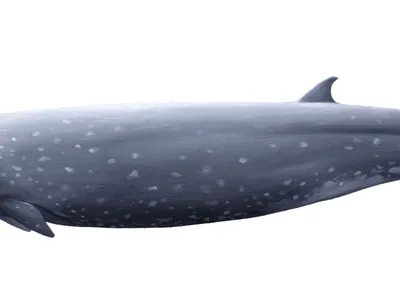
I. pacificus
Least Concern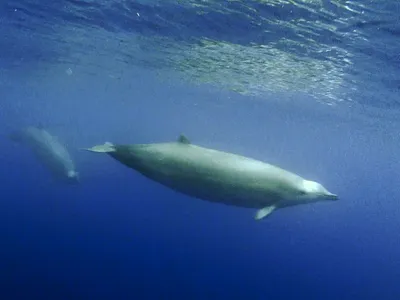
M. mirus
Least Concern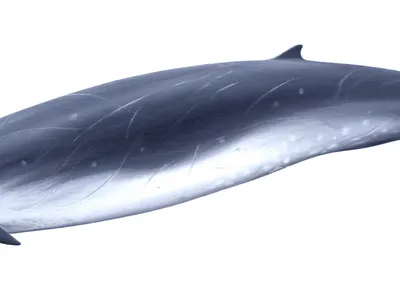
M. europaeus
Data Deficient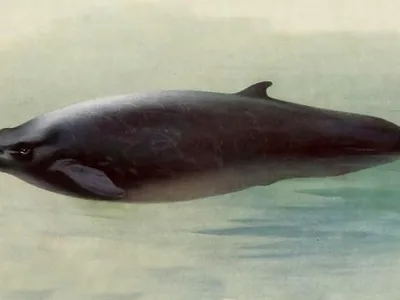
M. bidens
Data Deficient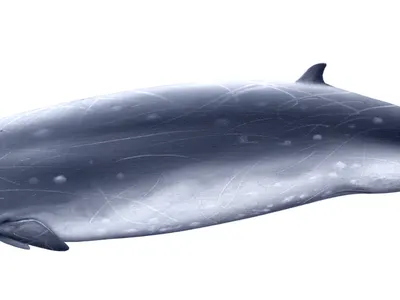
M. densirostris
Data Deficient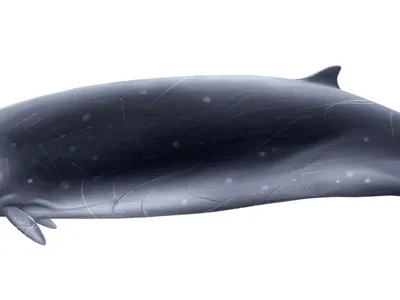
M. hectori
Data Deficient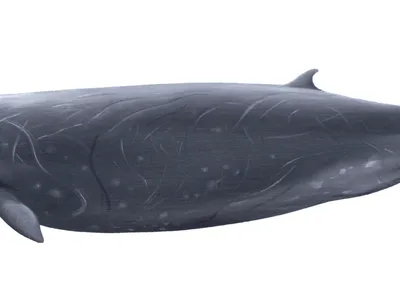
M. carlhubbsi
Data Deficient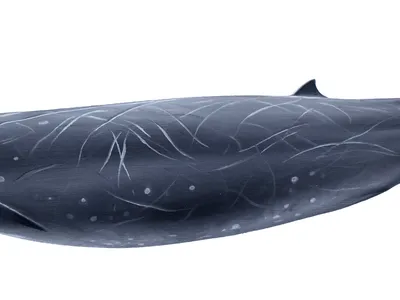
M. stejnegeri
Near Threatened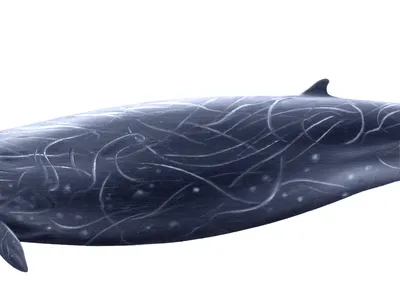
M. bowdoini
Data Deficient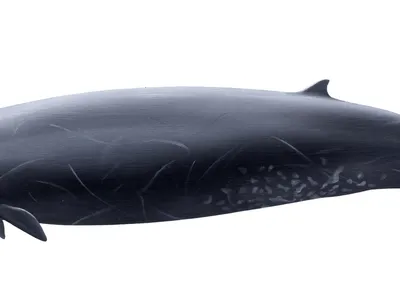
M. ginkgodens
Least Concern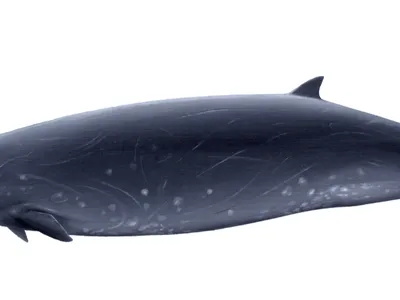
M. grayi
Least Concern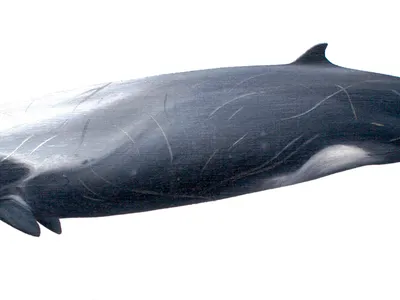
M. layardii
Least Concern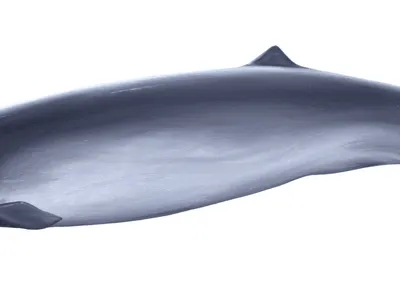
M. peruvianus
Least Concern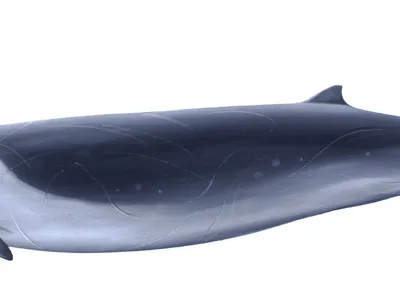
M. perrini
Data Deficient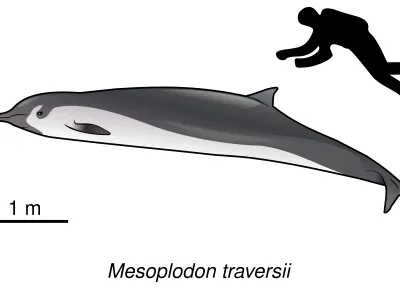
M. traversii
Data Deficient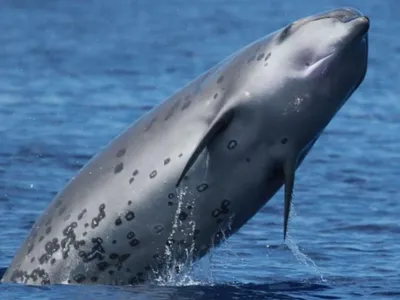
M. hotaula
Data Deficient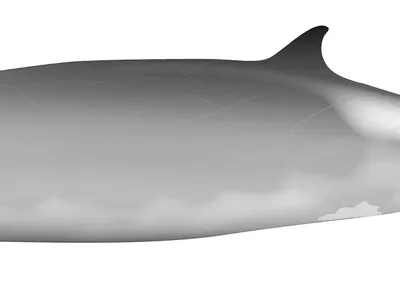
M. eueu
Data Deficient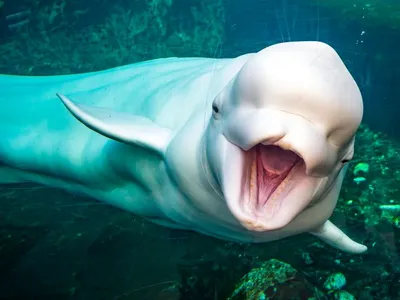
D. leucas
Least Concern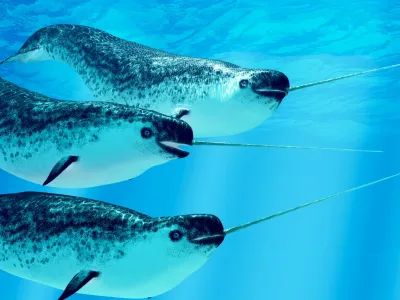
M. monoceros
Least Concern