
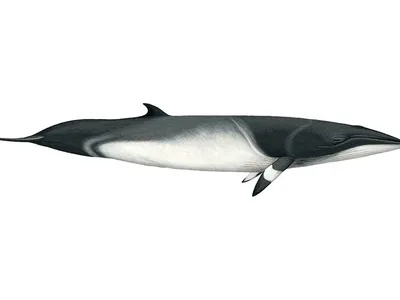
Balaenopteridae
Common Minke Whale
B. acutorostrata
Least ConcernBaleen Whales
Baleen whales strain their food through keratin plates instead of teeth, and include every one of the largest animals that has ever lived.
Mysticetes are filter feeders. In place of teeth, the upper jaw carries rows of baleen plates — keratin, the same material as fingernails, frayed along the inner edge into a mat that holds prey while water escapes. Teeth do still form in the foetus, then are resorbed before birth, a developmental fossil of their toothed ancestry. Uniquely among cetaceans they keep paired blowholes, and uniquely among large mammals the females are consistently larger than the males.
How the plates are used splits the group. Rorquals lunge: pleated throats balloon open to engulf a volume of water larger than the whale itself, which is then forced back out through the baleen. Right whales and the bowhead skim continuously with the mouth held open, filtering copepods through baleen up to four metres long. The gray whale does neither, rolling onto its side on the sea floor and sucking up sediment. All of them communicate at very low frequencies, some below the range of human hearing, at wavelengths that carry across an ocean basin.
Most mysticetes divide the year between high-latitude feeding grounds and low-latitude breeding grounds, fasting for months on stored blubber. That predictability, plus their size, made them the principal targets of industrial whaling; the group contains both the most depleted large animals on Earth and some of conservation’s clearest recoveries.
B. acutorostrata
Least Concern
B. bonaerensis
Near Threatened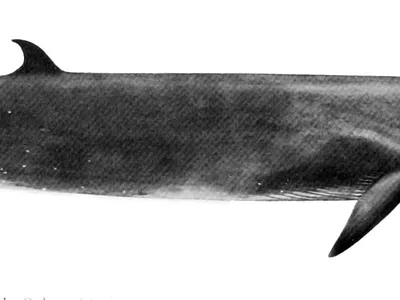
B. borealis
Endangered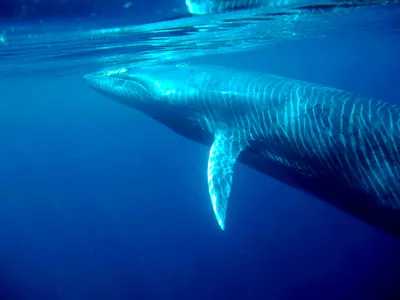
B. edeni
Data Deficient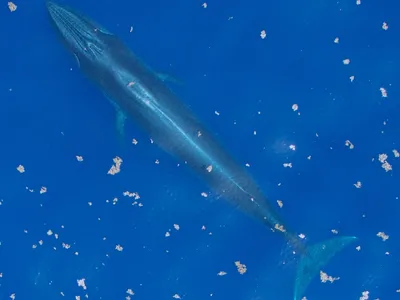
B. ricei
Critically Endangered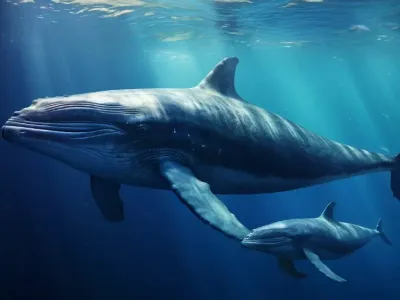
B. musculus
Endangered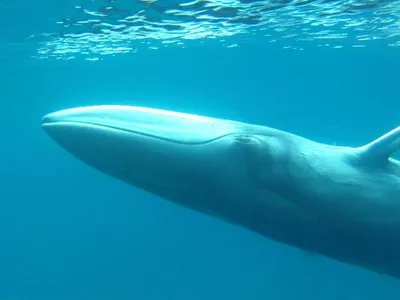
B. omurai
Data Deficient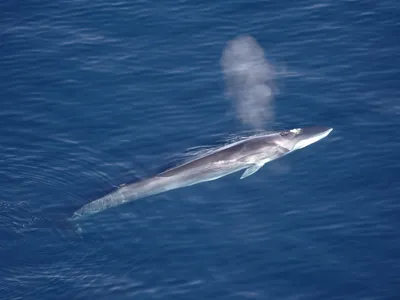
B. physalus
Vulnerable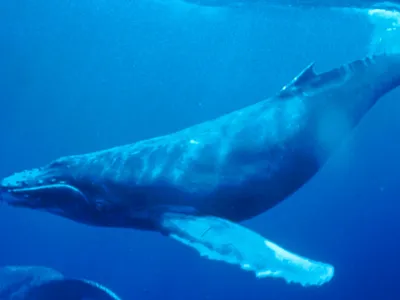
M. novaeangliae
Least Concern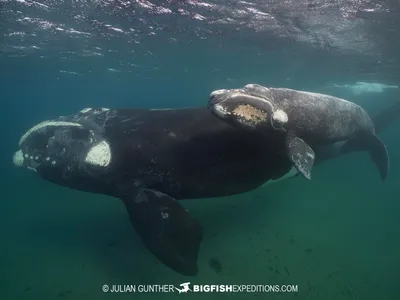
E. australis
Least Concern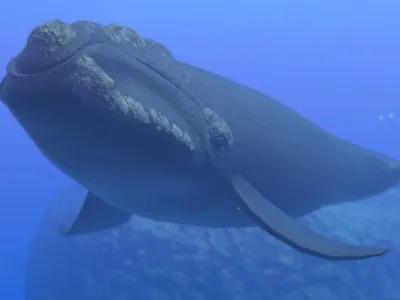
E. japonica
Endangered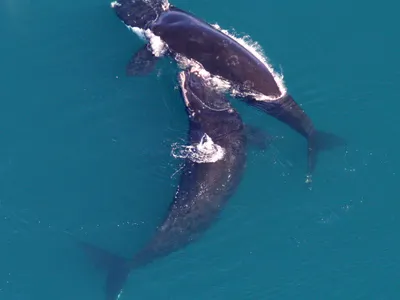
E. glacialis
Critically Endangered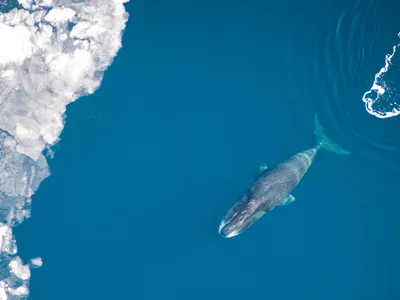
B. mysticetus
Least Concern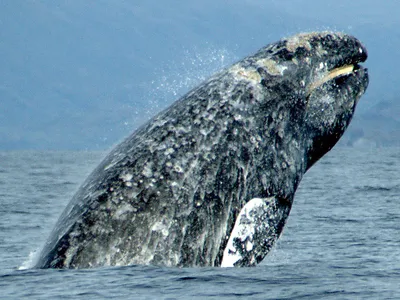
E. robustus
Least Concern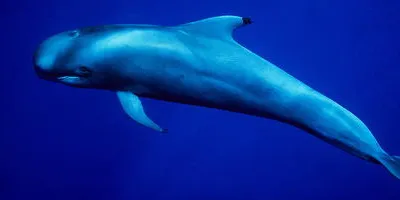
C. marginata
Data Deficient