
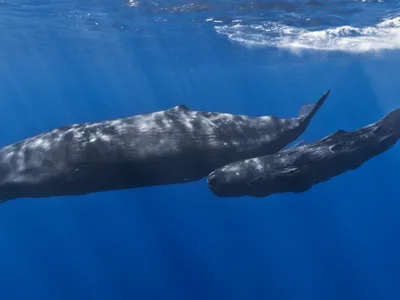
Physeteridae
Sperm Whale
P. macrocephalus
VulnerableToothed Whales
Toothed whales hunt individual prey and find it by echolocation, using a nasal sound projector unlike anything else in the animal kingdom.
Odontocetes kept their teeth and added a sense. Air driven past phonic lips in the nasal passages produces clicks, which are focused forward through the melon — a lens of acoustically graded fat — and whose echoes are received through fat bodies in the lower jaw and conducted to the ear. Building that apparatus has left the odontocete skull conspicuously asymmetric, the only such asymmetry in mammalian skulls, and reduced the paired blowholes of their ancestors to a single opening.
The toothed whales in this atlas are its deep-water specialists: the sperm whales, the beaked whales, and the two Arctic members of Monodontidae. Between them they hold the mammalian records for both depth and duration of a breath-hold dive. Sustaining those dives means very high myoglobin concentrations in the muscle, collapsible lungs, and a circulation that can shut down everything but the heart and brain.
Sexual dimorphism runs the opposite way to the baleen whales: males are the larger sex, sometimes dramatically so, and in the beaked whales carry tusks used against each other. Social organisation is correspondingly more elaborate, with stable matrilineal groups and vocal repertoires that differ between populations in ways that are learned rather than inherited.
P. macrocephalus
Vulnerable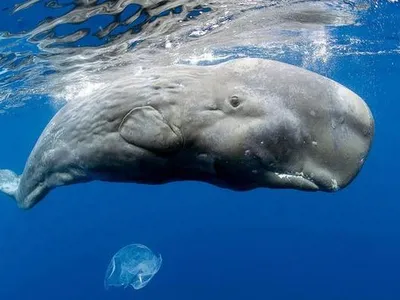
K. breviceps
Data Deficient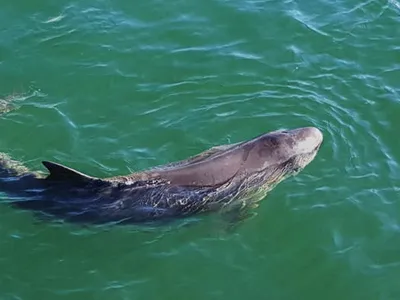
K. sima
Data Deficient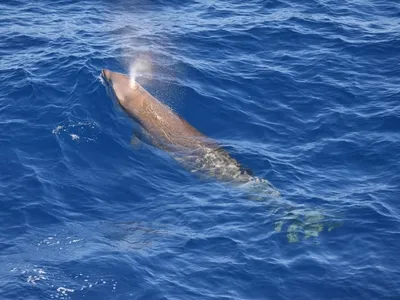
Z. cavirostris
Least Concern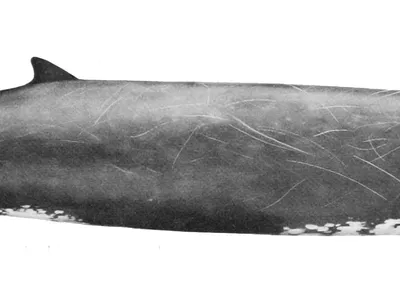
B. bairdii
Least Concern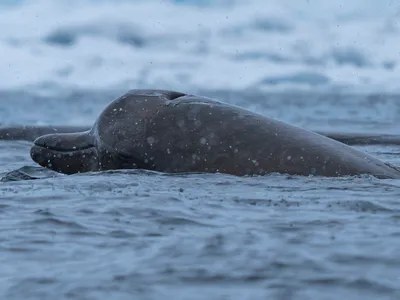
B. arnuxii
Least Concern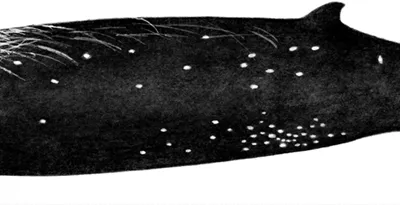
B. minimus
Near Threatened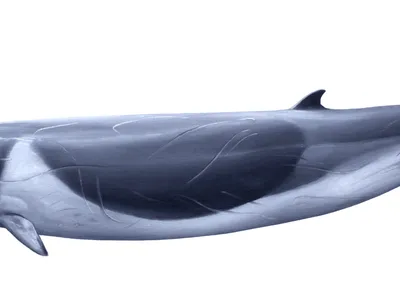
T. shepherdi
Data Deficient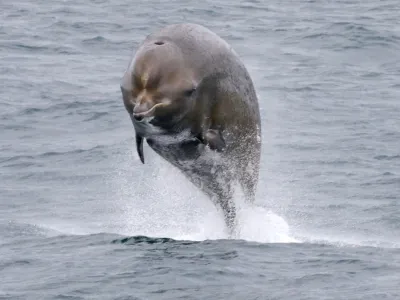
H. ampullatus
Near Threatened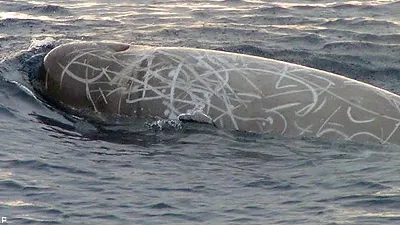
H. planifrons
Least Concern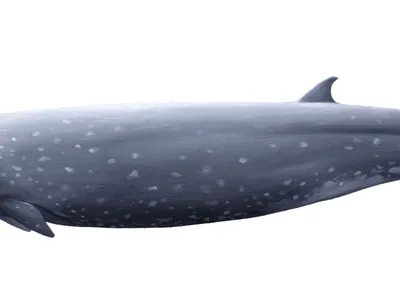
I. pacificus
Least Concern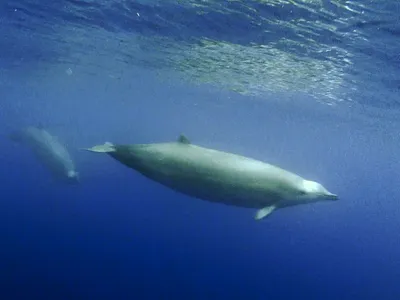
M. mirus
Least Concern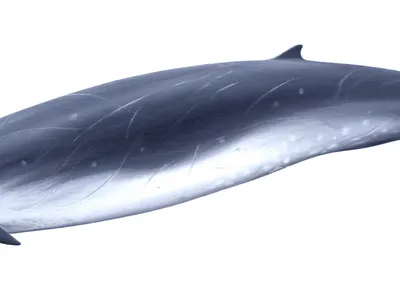
M. europaeus
Data Deficient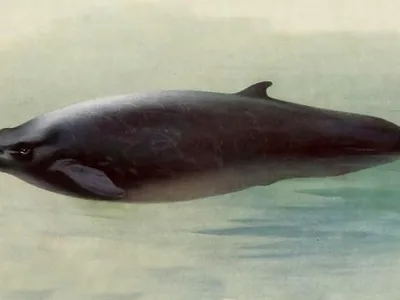
M. bidens
Data Deficient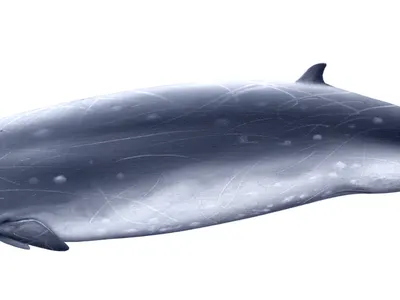
M. densirostris
Data Deficient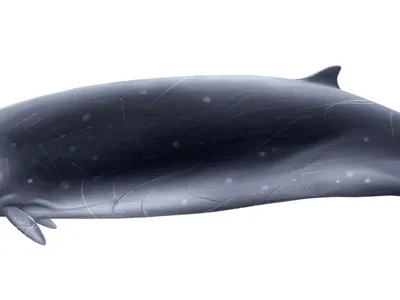
M. hectori
Data Deficient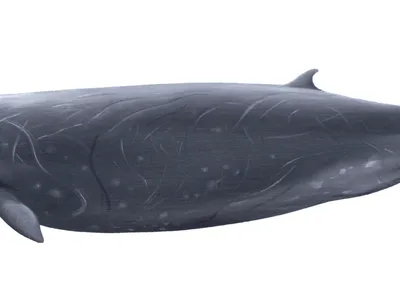
M. carlhubbsi
Data Deficient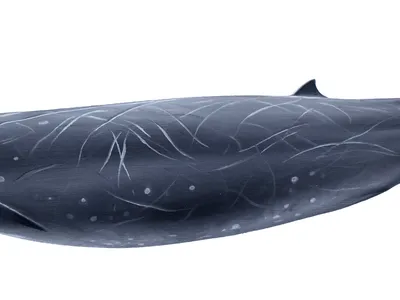
M. stejnegeri
Near Threatened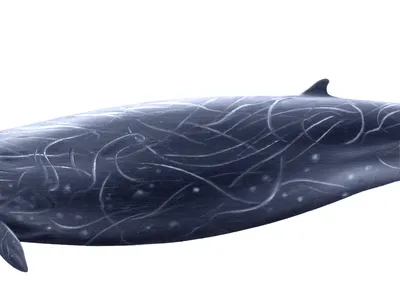
M. bowdoini
Data Deficient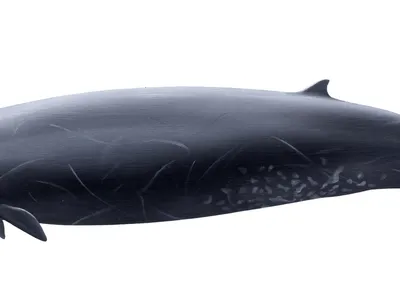
M. ginkgodens
Least Concern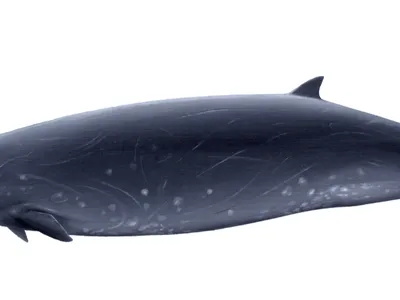
M. grayi
Least Concern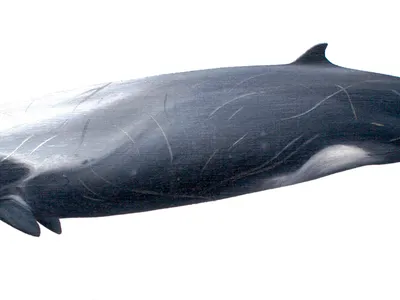
M. layardii
Least Concern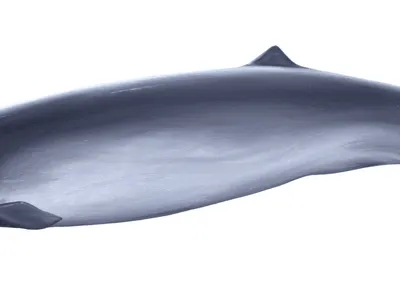
M. peruvianus
Least Concern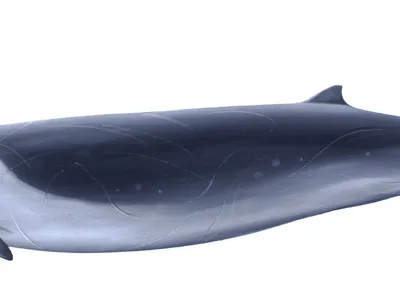
M. perrini
Data Deficient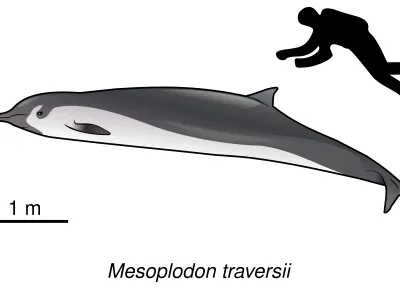
M. traversii
Data Deficient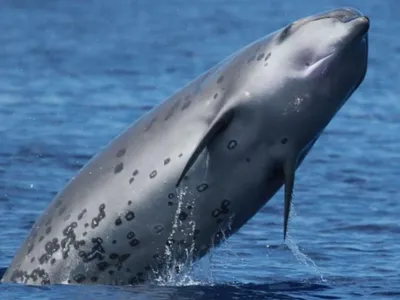
M. hotaula
Data Deficient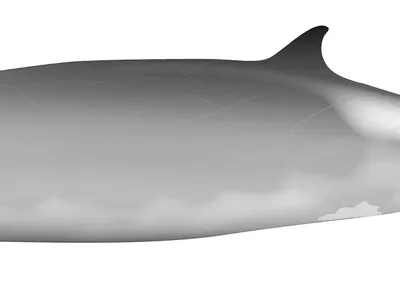
M. eueu
Data Deficient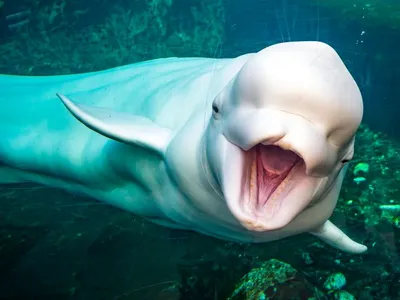
D. leucas
Least Concern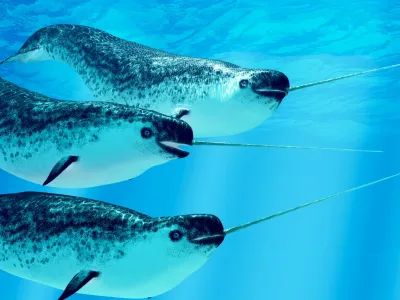
M. monoceros
Least Concern